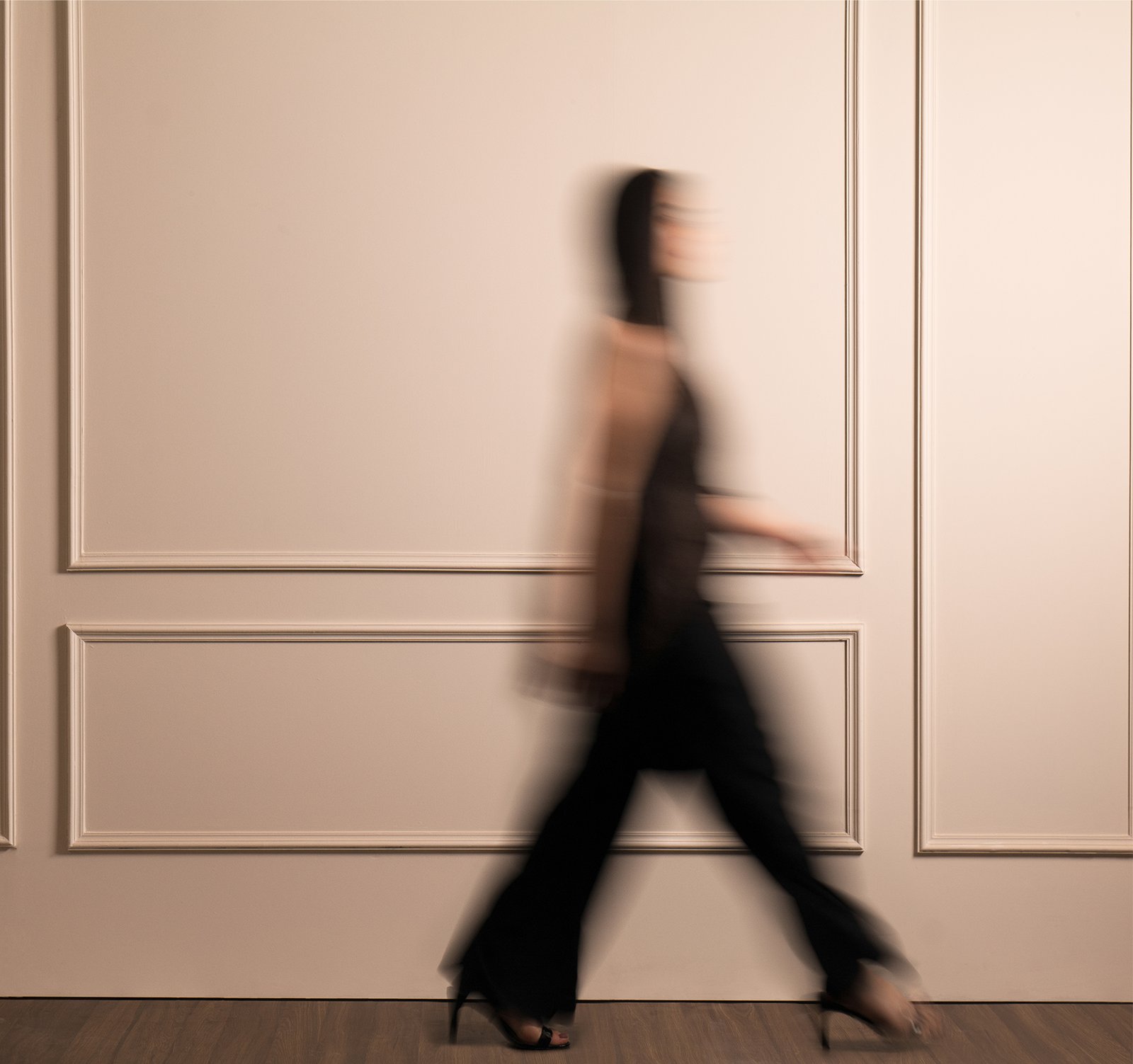
Fashion Photography Studio Setup: Lighting, Backdrops & Poses Guide
Fashion photography is one of the most visually stunning and technically demanding genres of photography. Whether you’re a professional fashion photographer, a brand building your lookbook, or a designer showcasing your collections, understanding studio setup, lighting, and posing is crucial for creating magazine-quality images.
In this comprehensive guide, we’ll walk you through everything you need to know to set up the perfect fashion photography studio.
Part 1: Studio Setup & Space Requirements
Ideal Studio Dimensions for Fashion Photography
Minimum Requirements:
- Square footage: 500-800 sq ft minimum
- Ceiling height: 12+ feet (for overhead lighting and movement)
- Width: 15+ feet (for full-body shots and model movement)
- Depth: 20+ feet (for depth of field and various angles)
Why size matters:
- Allows model to walk, move, dance
- Provides distance between model and camera (reduces distortion)
- Room for lighting equipment and crew
- Space for multiple backdrop setups
Studio Rollin advantage: 2,500 sq ft professional space with 6 uniquely styled sets—perfect for fashion shoots.
Layout Configuration
Optimal setup:
- Shooting area (center) – Clear space for model
- Backdrop wall (rear) – For mounting backdrops
- Lighting positions (sides & overhead) – For three-point + rim lighting
- Camera position (front) – Clear line of sight
- Props/styling area (side) – For touch-ups and changes
Part 2: Lighting for Fashion Photography
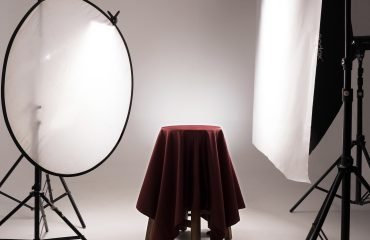
The Fashion Photography Lighting Setup
Fashion lighting is more dramatic and directional than product photography. Here’s the professional setup:
1. Key Light (Main Light)
- Position: 45 degrees to the side, above eye level
- Type: Softbox (large, 4ft+ for flattering light)
- Intensity: Strongest light source
- Purpose: Creates modeling (dimension) on face and body
- Effect: Highlights facial features, creates shadows for dimension
2. Fill Light (Softening Light)
- Position: Opposite side of key light
- Type: Soft light or reflector
- Intensity: 50-75% of key light
- Purpose: Softens shadows without eliminating them
- Effect: Keeps skin flattering without losing definition
3. Back Light/Rim Light (Separation Light)
- Position: Behind model, slightly above head
- Type: Spot light or small softbox
- Intensity: 30-50% of key light
- Purpose: Separates model from background, creates hair light
- Effect: Adds dimension, highlights hair, creates premium look
4. Background Light (Optional but Professional)
- Position: Behind backdrop or on backdrop itself
- Type: Spot light
- Intensity: Adjustable based on backdrop color
- Purpose: Evenly lights background, prevents dark shadows
- Effect: Professional, clean background
5. Practical Light (On-Set Light)
- Position: Within the styled setting
- Type: Lamps, candles, neon (practical items)
- Intensity: Varies
- Purpose: Adds atmosphere and context
- Effect: Lifestyle element, mood enhancement
Lighting Ratios to Master
High-Key Fashion (Bright, Airy)
- Key:Fill ratio = 2:1 to 3:1
- Best for: Editorial, luxury, minimalist fashion
- Mood: Clean, modern, high-fashion
Medium-Key Fashion (Balanced)
- Key:Fill ratio = 4:1 to 5:1
- Best for: General fashion, e-commerce, lookbooks
- Mood: Professional, flattering, versatile
Low-Key Fashion (Dramatic)
- Key:Fill ratio = 8:1 or higher
- Best for: Avant-garde, dramatic, edgy brands
- Mood: Moody, artistic, sophisticated
Quick Lighting Setup Guide
For Bright, Airy Fashion Shots:
- Key light: Large softbox at 45°, high
- Fill light: Reflector opposite side (no additional light)
- Back light: Small softbox behind
- Background: White or light (naturally bright)
- Result: Clean, professional, modern look
For Dramatic Fashion Shots:
- Key light: Smaller softbox at 45°, closer to model
- Fill light: Minimal or none (reflector optional)
- Back light: Stronger rim light
- Background: Dark or textured
- Result: Moody, artistic, high-fashion look
Part 3: Backdrop Selection for Fashion
Your backdrop makes or breaks fashion photography. Here’s how to choose:
White/Clean Backdrops
- Best for: Minimalist fashion, designer showcase, editorial
- Why: Directs all attention to clothing
- Styling: Can add props for lifestyle element
- Versatility: Works with any clothing color
- Editing: Easy to modify in post-production
Colored Backdrops
- Best for: Complementary color coordination
- Examples:
- Black for elegant, sophisticated looks
- Gray for modern, neutral aesthetic
- Pastels for soft, romantic style
- Bold colors for vibrant, trendy fashion
- Pro tip: Choose backdrop color that complements, not matches, clothing
Textured Backdrops
- Best for: Adding depth and luxury feel
- Options:
- Brick for urban, edgy style
- Wood for bohemian, organic feel
- Fabric/drapes for luxe, dramatic look
- Concrete for modern, minimalist
Themed/Styled Backdrops
- Best for: Lifestyle fashion, brand identity
- Examples:
- Victorian decor for luxury fashion
- Urban elements for streetwear
- Nature elements for bohemian style
- Minimalist set for contemporary
- Advantage: Tells complete visual story
Professional Backdrop Tips
- Keep it Simple: Busy backgrounds distract from clothing
- Ensure Cleanliness: Any wrinkles show in photos
- Proper Distance: Keep model 3-4 feet from backdrop (avoid shadow)
- Lighting: Evenly light backdrop to avoid dark corners
- Height: Backdrop should accommodate full-body shots (8+ feet high)
Part 4: Posing Techniques for Fashion Photography
Great posing transforms an OK photo into a stunning one.
Universal Posing Principles
1. Create Angles
- Never photograph straight-on (looks flat)
- Angle body at 45 degrees to camera
- Turn shoulders at 45 degrees
- Tilt head slightly
- Result: More flattering, dimensional look
2. Create Space
- Don’t press arms tight against body
- Create small gap between arm and torso
- Creates definition, shows clothing better
- Makes body look slimmer
3. Head & Neck
- Slight chin tilt downward (not extreme)
- Elongate neck by moving chin forward
- Eyes follow light direction
- Avoid looking directly at lens unless intended
4. Hands
- Never let hands look “dead” or awkward
- Positions: In pockets, holding fabric, touching face, on hips
- Curves > straight lines (bend fingers naturally)
- Keep hands busy and purposeful
5. Weight Distribution
- Shift weight to back foot
- Creates curves and dimension
- Front leg can be bent or straight
- More flattering than even stance
Standing Fashion Posing Guide
The Classic “S-Curve” Pose
1. Shift weight to back foot
2. Pop front hip forward
3. Angle shoulders back slightly
4. Tilt head toward camera
5. One arm on hip, other arm relaxed or touching fabric
6. Result: Flattering, dimensional, fashion-forward
The Walkway Pose
1. Model walks toward camera at slight angle
2. Arms naturally at side or one in pocket
3. One leg in front, one behind
4. Capture mid-stride
5. Result: Dynamic, editorial, movement
The Wall Lean
1. Back against wall/backdrop
2. One leg bent, foot against wall
3. Hip popped out
4. Shoulders relaxed
5. Natural arm placement
6. Result: Casual, cool, editorial
The Cross-Leg Stance
1. One leg crosses in front of other
2. Creates long leg line
3. Weight shifts to back leg
4. Upper body angles away
5. Result: Slimming, elegant, sophisticated
Movement & Dynamics
Fashion isn’t static. Incorporate movement:
Walking
- Shoot while model walks toward/away/past camera
- Capture mid-stride for dynamic feel
- Various speeds create different moods
- Best for: Editorial, lifestyle, movement-based looks
Turning
- Model rotates slowly to show outfit from all angles
- Capture multiple angles in one session
- Creates 360-degree view
- Best for: Lookbook, e-commerce, detail showcase
Jumping/Dancing
- Add energy and fun
- Works for youthful, trendy brands
- Requires fast shutter speed (1/500+)
- Best for: Social media, fun content, youth fashion
Sitting/Reclining
- Show clothing in different context
- Sitting: Leg positioning crucial
- Reclining: Creates elongated, editorial look
- Best for: Luxury, editorial, styled shoots
Part 5: Styling & Preparation
Pre-Shoot Styling Checklist
Clothing Preparation:
- Press all wrinkles (except intentional texture)
- Clean any dust or marks
- Style appropriately (layering, tucking, belting)
- Bring multiple versions of outfit (with/without accessories)
- Bring backup pieces in case of issues
Hair & Makeup:
- Professional hair styling for brand consistency
- Professional makeup (budget ₹2,000-₹5,000)
- Touch-up kit on-set (powder, blush, lip gloss)
- Multiple hairstyle options (up, down, half-up)
- Variety creates visual interest
Accessories & Props:
- Jewelry that complements clothing
- Scarves, belts, hats for styling variety
- Props that tell brand story
- Ensure nothing detracts from clothing
Model Preparation:
- Proper footwear (not visible for most shots)
- Hydration (2+ liters water)
- Comfortable undergarments
- Full confidence and comfort level
- Brief on mood/brand aesthetic
Part 6: Complete Fashion Shoot Planning
Pre-Shoot Planning (2 weeks before)
1. Concept & Mood Board
- Define aesthetic (editorial, commercial, artistic)
- Collect inspiration images
- Plan backdrop/location style
- Determine target mood (luxe, casual, edgy, romantic)
2. Outfit Selection
- Choose 3-5 outfits to showcase
- Ensure variety in style
- Plan outfit changes (plan timing)
- Coordinate with brand identity
3. Shot List
- Full-body shots (standing)
- Three-quarter shots
- Close-ups/detail shots
- Movement shots
- Style variations per outfit
Day-of Shoot (Production)
Timeline:
- 8:00 – Setup (lighting, backdrops)
- 8:30 – Model arrives, hair/makeup (45 min)
- 9:15 – Outfit 1 styling (15 min)
- 9:30 – Shoot Outfit 1 (45 min, ~50 shots)
- 10:15 – Change to Outfit 2 (15 min)
- 10:30 – Shoot Outfit 2 (45 min)
- 11:15 – Break (15 min)
- 11:30 – Outfit 3 (15 min)
- 11:45 – Shoot Outfit 3 (45 min)
- 12:30 – Wrap
On-Set Team:
- Photographer (you)
- Assistant (camera, lighting adjustment)
- Hair/Makeup artist
- Stylist (clothing, props)
- Model
Part 7: Camera Settings for Fashion
For Full-Body Fashion Shots:
- Aperture: f/5.6-f/8 (sharp body, slightly soft background)
- Shutter: 1/100-1/200 (fast enough for any movement)
- ISO: 100-400 (low for clean image)
- Focal length: 50-85mm (flattering perspective)
- White balance: Daylight or custom
For Detail/Close-up Shots:
- Aperture: f/2.8-f/4 (shallow focus on details)
- Shutter: 1/200+ (faster to handle shallow focus)
- ISO: 100-400
- Focal length: 85-135mm (nice compression)
For Movement:
- Aperture: f/4-f/5.6
- Shutter: 1/500+ (fast enough to freeze movement)
- ISO: 400-800 (may need to increase)
- Focal length: 50-85mm
Studio Rollin for Fashion Photography
Studio Rollin’s 6 unique sets are perfect for fashion:
The Bold Red – Vibrant statement backdrop, perfect for modern fashion, bold brands
Tanjore Gold – Luxe, opulent background for high-end fashion, luxury brands
The French White – Victorian elegance for sophisticated, romantic fashion
Foresta Green – Nature-inspired for bohemian, organic fashion brands
The Infinity – Clean white cyclorama for minimalist, editorial fashion
The Expanse – Large versatile space for movement, walking shots, dynamic posing
Plus:
✓ Professional lighting rigs pre-installed
✓ Full-length mirrors for styling checks
✓ Makeup vanity included
✓ Props packages (₹1,500) for styling
✓ Expert team guidance available
✓ Starting from ₹2,999
Perfect for:
- Designer lookbooks
- Fashion brand campaigns
- Influencer content
- E-commerce product shots
- Editorial-style shoots
- Portfolio building
Conclusion
Professional fashion photography requires understanding studio setup, advanced lighting techniques, skilled posing direction, and excellent styling. By mastering these elements and shooting in a properly equipped studio, you’ll create stunning fashion photography that elevates your brand.
Ready to create magazine-quality fashion photos? Book Studio Rollin today and experience the difference professional studio space and expert support makes in your fashion photography.